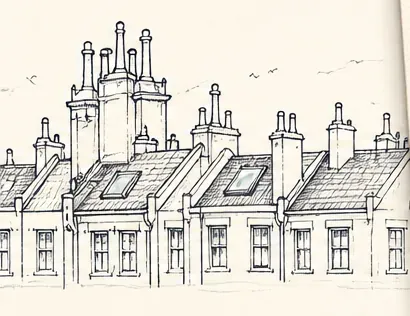
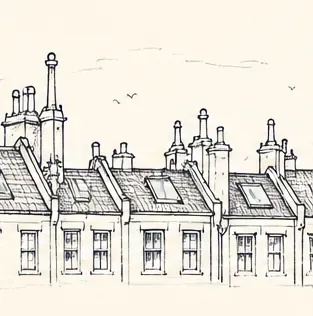
The short answer: A modern conservation rooflight can be energy efficient. A well specified unit has double glazing, a low-emissivity coating and a frame detailed to limit cold bridging, and under Part L a replacement roof window has to achieve Window Energy Rating band B or 1.4 W/m²K. What decides the result is the glazing specification and the quality of the fit, not the heritage styling.
The slim frames and fine bars of a conservation rooflight look traditional, so it is fair to ask whether the glass behind them performs like a modern unit. A conservation rooflight, in plain terms a heritage skylight, can be energy efficient, but only if the specification is right. This page explains what to look for. The wider product guide is on the conservation rooflights hub.
Old look, modern glass
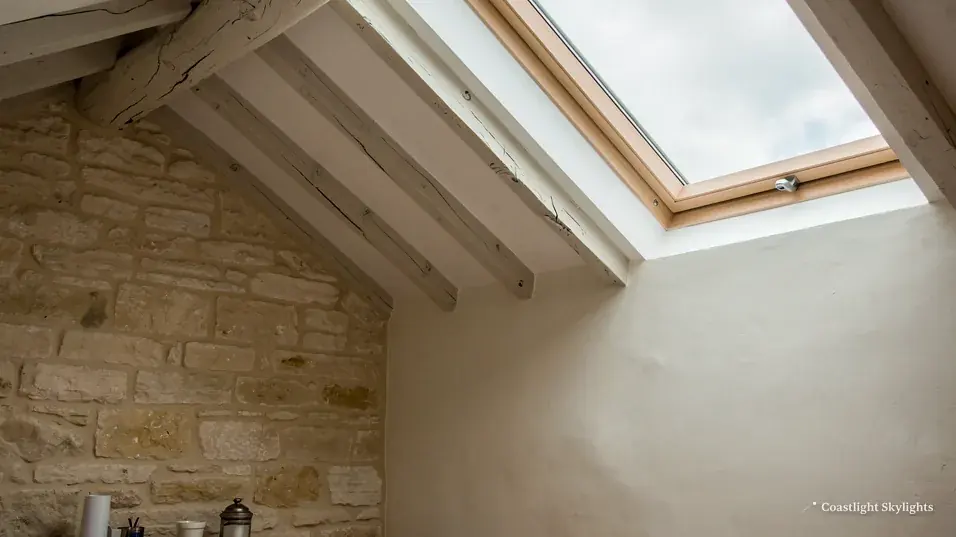
The look belongs to the frame and bars. The performance belongs to the glass unit and the way it is held. A sealed double-glazed unit with a low-emissivity coating on one pane reflects heat back into the room, and an inert gas fill between the panes slows the movement of warmth through the gap. A warm-edge spacer reduces cold at the perimeter of the glass. Together these allow a slim, heritage-style unit to perform very differently from the single-glazed, putty-fixed rooflights it often replaces.
The numbers that apply
Building Regulations Part L sets limits for new and replacement fittings in existing homes. A conservation rooflight in a pitched roof counts as a roof window, so the limit that applies is 1.4 W/m²K, or Window Energy Rating band B. Where a rooflight sits in a flat roof, as a lantern does, the separate limit is 2.2 W/m²K. The lower the U-value, the less heat escapes through the glass.
| Type | Limit |
|---|---|
| Roof window in a pitched roof | 1.4 W/m²K or WER band B |
| Rooflight in a flat roof | 2.2 W/m²K |
Those are the minimums for a controlled fitting. They are explained in full in our Building Regulations guide. Every conservation unit we fit meets current Building Regulations, and any notification Building Control needs for the job comes from us.
Where heritage rules meet energy rules
There is one real tension. Heritage roofs often call for slim frames and fine glazing bars, and every extra bar or narrow profile is a place where a unit can be less efficient than a plain wide pane. The answer is to choose the bar pattern with the glazing specification in mind, not after it. A bar applied to one large sealed unit keeps the heritage look without splitting the glass into separate panes, each with its own edge losing heat. The bar patterns open to you are set out in the page on bars and flush fitting on heritage roofs.
On a listed building, the conservation officer may have views on the profile, the finish and the glass, and those views can narrow the choice. We cover that on conservation rooflights and listed buildings.
Fitting matters as much as the glass
A good unit fitted badly will lose heat around its edges. The insulation around the upstand or frame, the continuity of the vapour control layer and the airtightness of the junction with the roof all affect the result. Draughts at the sides of a rooflight are usually the sign of a poor junction, not a poor pane. We insulate and seal the junction as part of the installation, and the 10-year workmanship guarantee covers the work. You can read more about it on the guarantee page.
Reading a specification
When you compare quotes, look for the figures behind the claim. A proper specification states the U-value of the whole unit, not just the centre of the glass, because the frame and the spacer drag the overall number up or down. It states the glass build, the coating and the gas fill. It also says whether the figure is for a fixed or an opening version, since the sash and seals change the result. If a quote just says "energy efficient glazing", ask which of these it means.
The same goes for the frame material. Timber, painted steel-look sections and thermally broken aluminium each behave differently at the edge of the glass. A bar or frame that conducts cold straight through to the room is the weak point in a heritage unit, which is why a break in the section matters. We would rather show you the section drawing at the survey than describe it.
Condensation and the room below
Better glazing keeps the inner pane warmer, which makes surface condensation less likely. But a bathroom or kitchen under a rooflight still produces a lot of moisture, and ventilation is what deals with it. An opening unit or a working extractor is part of the answer. Plan both together with the glass rather than leaving one to cover for the other.
Summer heat and comfort
Energy efficiency is not only about winter. A south-facing rooflight can let in more heat than a wall window of the same area. Solar control glass limits that gain, though it also changes how much light and colour passes through. If your room already overheats, mention it at the survey so we can discuss the glass options and, if suitable, an opening unit. Our page on whether a conservation rooflight can open deals with ventilation.
Replacing an old unit
If the glass in your current rooflight is misted, the seal has failed and the unit is not performing. A failed sealed unit cannot be repaired, so replacement is the answer, and replacing the whole unit counts as building work that must meet Part L. The signs to look for are described under misted and failed rooflights. For a broader look at performance glass, see energy efficient rooflights.
The survey is free and the quote is fixed and written. It names the glazing specification, and the access plan lays out the route, the licences and the Building Control route. For cost drivers, see how much a conservation rooflight costs. Return to the conservation rooflights hub or request a survey.